Technology InsightsPublished 2026-10-139 min read
Zigbee vs. Matter vs. Wi-Fi: Smart Home Protocol Selection Guide for B2B Buyers (2026)
Leo PengTechnical Advisor
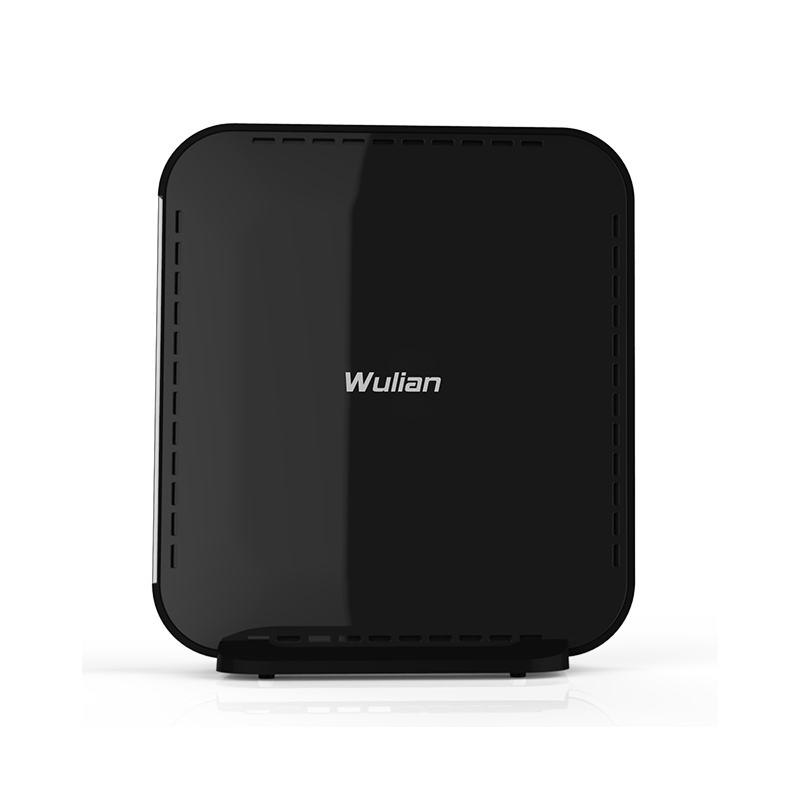
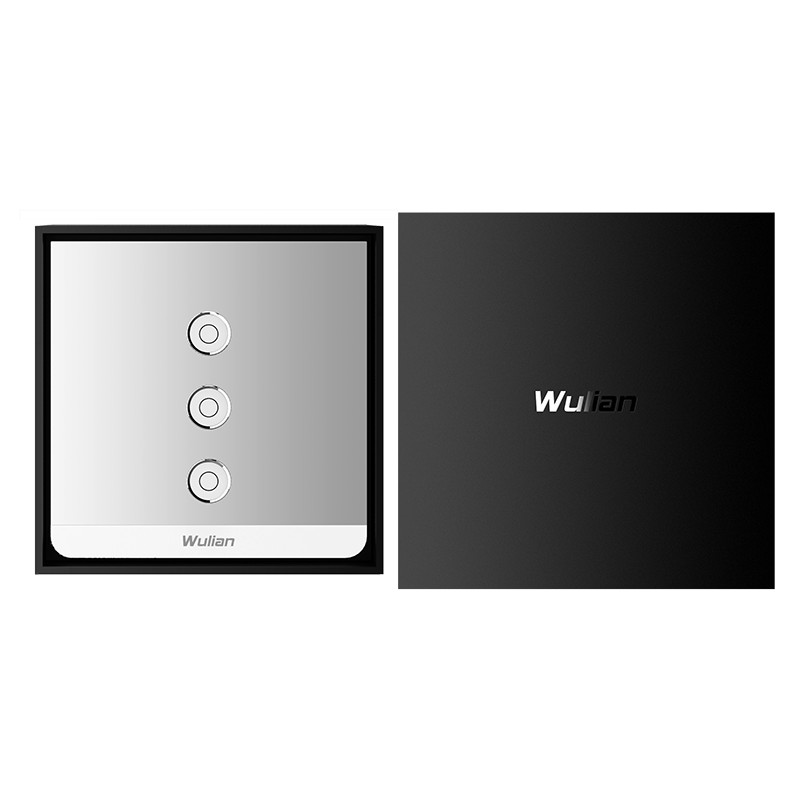
Device lines related to this article
Wholesale & OEM available — CE/FCC/RoHS certified, samples in 7–10 days
Every smart-home product line starts with a protocol decision that determines BOM cost, installation labor, certification scope, and which ecosystems your devices can join. Get it wrong and you inherit support tickets forever; get it right and the same SKU ships to forty countries.
This guide compares the three stacks that matter in 2026 — Zigbee 3.0, Matter, and Wi-Fi — from a B2B buyer's perspective: distributors planning inventory, integrators quoting projects, and developers specifying buildings.
| Dimension | Zigbee 3.0 | Matter (over Wi-Fi/Thread) | Plain Wi-Fi |
|---|---|---|---|
| Topology | Self-healing mesh | Depends on transport | Star (router-centered) |
| Devices per hub | 100+ per gateway | Thread ~250 per network | ~20-30 practical per router |
| Battery sensors | Years of life | Improving (Thread) | Weeks to months |
| Hub required | Yes (gateway) | Yes (controller) | No |
| Local automation | Yes, sub-second | Yes | Rare — usually cloud |
| Voice ecosystems | Via gateway bridges | Native multi-admin | Per-vendor |
| Installation skill | Low (retrofit-friendly) | Medium | Low |
| B2B track record | 500,000+ projects (our stack) | Growing fast | Consumer-heavy |
The numbers explain why professional deployment remains Zigbee-dominated. A Zigbee mesh has a property no star topology can match: every mains-powered device strengthens the network. Each smart switch, metering socket, and wall panel is also a router. In a 3-bedroom apartment running 25 Zigbee devices, you have 25 relays; in a villa with 80, you have 80.
That translates directly into project economics:
Our own deployment record — over half a million home automation projects across 40+ countries — runs on this stack, from Saudi villa clusters to smart hotels and school campuses.
Matter solves a different problem: app-layer interoperability. A Matter-certified device can join multiple ecosystems simultaneously — Alexa, Google Home, SmartThings — without per-integration firmware.
For B2B buyers, the practical implications:
Rule of thumb: radios are a supply-chain decision; Matter is a go-to-market decision. Don't confuse them.
Wi-Fi belongs in the lineup for specific device classes:
The failure mode is scale: past roughly 30 nodes, consumer routers degrade, battery devices drain, and every outage becomes a support call. Wi-Fi-only product lines also surrender local automation — the scene engine lives in someone's cloud.
Distributor / wholesaler Stock Zigbee 3.0 switch, sensor, and lock lines with gateway kits as the anchor; add Wi-Fi cameras and plugs for retail breadth; prefer gateway SKUs with Matter bridge capability so the line ages well.
Integrator / installer Standardize on one Zigbee gateway platform per site. Insist on RS485/protocol converters for legacy gear, local scene execution, and an SDK. Quote hotels and clinics on local-automation reliability — it's the closest thing to a guaranteed upsell.
Real-estate / hotel developer Specify multi-standard switch families (US/AU/BR/PH) so the same design ships across markets. Require product-level certifications (CE, FCC, RoHS, CB scheme) filed per target market before contract signature. Design wiring for live/neutral adaptive switches — it keeps every unit retrofittable.
Whatever stack you choose, these four documents separate serious suppliers from listing-page optimists:
Suppliers who produce all four in one package effectively outsource your compliance department. That — more than any protocol feature — is what shortens time-to-shelf.
In 2026 the question is no longer "Zigbee or Matter." Deploy Zigbee 3.0 as the mesh backbone, choose a gateway that bridges into Matter ecosystems, and reserve Wi-Fi for bandwidth devices. It's the architecture already running in half a million projects, and it leaves every interoperability door open.
Exploring a product line? Our team ships multi-standard Zigbee switch, sensor, lock, and energy lines with full OEM/ODM support — browse the catalog or talk to our B2B team.